Graft-versus-host disease (GVHD) is a common complication after a stem cell transplant with donor cells (allogeneic transplant). This presentation discusses the manifestations of chronic GVHD on the skin, hair, and nails; how skin GVHD can affect activities of daily living; and pharmacologic and non-pharmacological therapies that can help patients who have skin GVHD
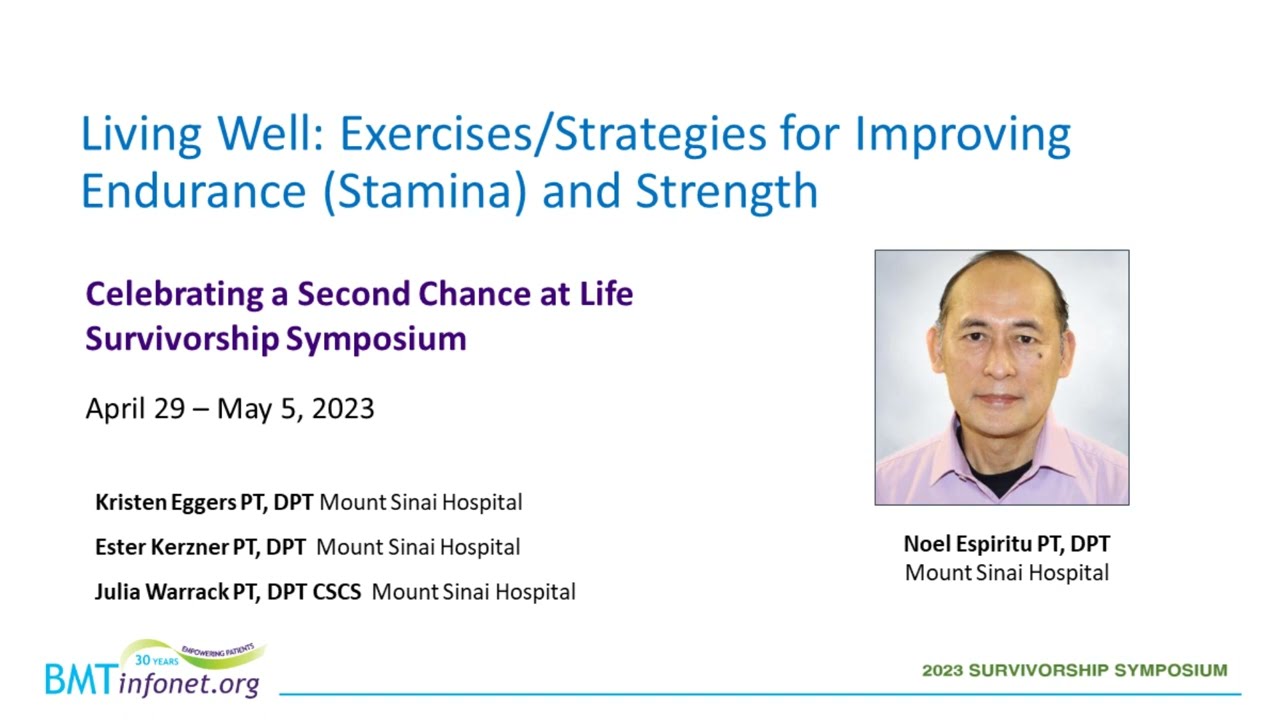
This presentation explains how exercise can improve stamina and strength; how a physical therapist can tailor an exercise program to meet your needs; and how energy conservation plays a role in managing fatigue. It also provide a demonstration of some exercises that transplant recipients can perform at home.
Chronic fatigue after a stem cell transplant is common. It can persist for months, or even years. This video explains what contributes to transplant-related fatigue and describes exercise and mindfulness programs that are effective in reducing it.
La terapia de células CAR T es una nueva opción de tratamiento para pacientes con leucemia linfoblástica aguda, algunos linfomas y mieloma múltiple que no han respondido a terapias anteriores. Esta presentación describe cómo funciona la terapia de células CAR T, sus riesgos y efectos secundarios, y cómo estos pueden manejarse de manera efectiva.
A third of patients who undergo a stem cell transplant are either pediatric, adolescent or young adult patients for whom fertility after transplant can be a major concern. A variety of fertility preservation options prior to transplant, and assisted reproduction options after transplant, may enable a stem cell transplant recipient to build a family after transplant.
Many women experience sexual problems following a stem cell transplant. A variety of medical and psychologist issues contribute to problems with intimacy and sexual health, but effective treatment options are available.
Dry mouth, mouth sores and reduced saliva production are common after a stem cell transplant. Being vigilant about daily mouth care and finding a dentist who is familiar with problems that can arise after transplant are important steps to take to protect your mouth long-term after transplant.
Multiple myeloma is a cancer of plasma cells, which are blood cells that are responsible for producing antibodies to fight infections. Patients with multiple myeloma often undergo a stem cell transplant as part of their initial treatment. Maintenance therapy after a stem cell transplant can enable myeloma patients to live longer but can also cause side effects.
El trasplante que utiliza las propias células (trasplante autólogo) puede causar efectos tardíos en la salud meses o años después del trasplante. Este video describe posibles complicaciones tardías o a largo plazo después del trasplante, cómo reducir el riesgo de desarrollar complicaciones y cuáles son las opciones de tratamiento.
Several types of infection can occur after a stem cell or bone marrow transplant and can complicate recovery for patients. This presentation describes the infection risks during the posttransplant period, therapies to treat them, and some measures to prevent them.